Gordon Ramsay Prime Rib Roast Recipe
If you’re looking for the ultimate centerpiece for a holiday dinner or special family gathering, this Gordon Ramsay prime rib roast recipe delivers restaurant-quality results right from your home kitchen. With its beautifully seasoned exterior, juicy interior, and rich beefy flavor, this roast is guaranteed to impress your guests.
One of the secrets behind a perfectly cooked prime rib is patience. This recipe uses a dry-brining technique and a slow-roasting method that allows the meat to develop incredible tenderness while creating a flavorful crust on the outside.
Whether you’re preparing a Christmas feast, Sunday dinner, or celebrating a special occasion, this Gordon Ramsay prime rib roast recipe provides a simple yet elegant approach that highlights the natural quality of the beef.
My Experience and How Does Gordon Ramsay Prime Rib Roast Recipe Taste
The first time I prepared this Gordon Ramsay-inspired prime rib roast, I was amazed by how such simple ingredients could create such extraordinary flavor. The combination of kosher salt, black pepper, butter, and Herbes de Provence allows the beef to shine without overpowering it.
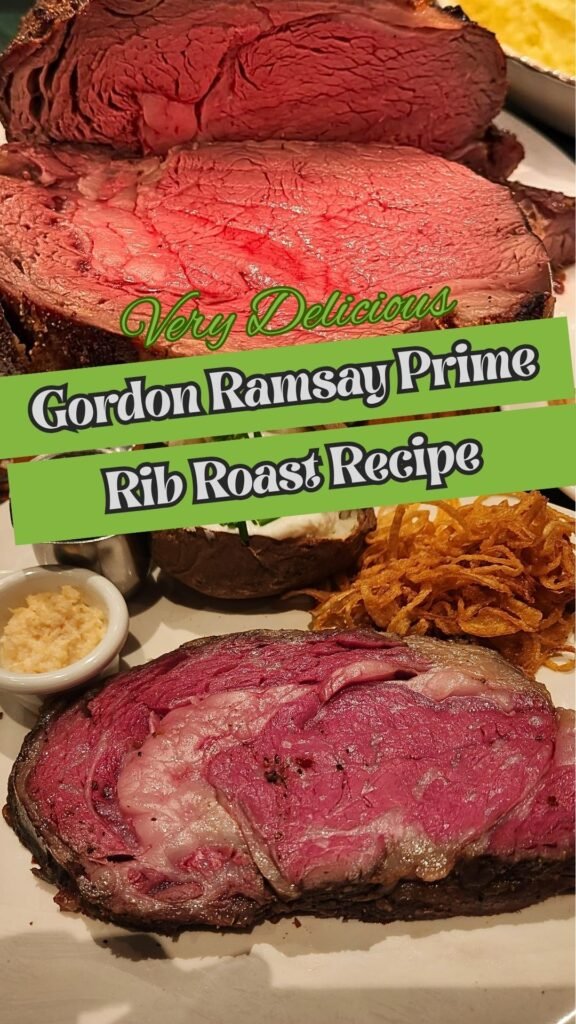
The taste is rich, buttery, and deeply savory. Every slice is tender and juicy, while the outer crust develops a beautiful golden-brown color with subtle herbal notes. The dry-brining process intensifies the natural beef flavor and helps create a perfectly seasoned roast throughout.
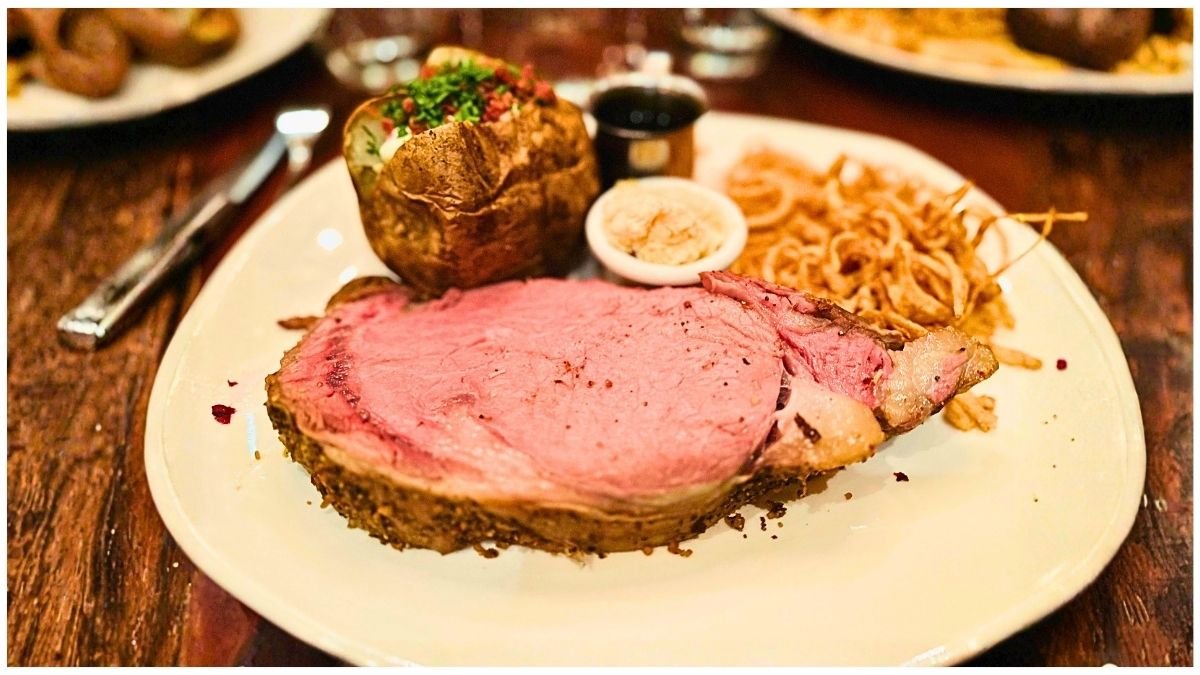
What makes this recipe truly special is the contrast between the crisp exterior and the melt-in-your-mouth interior. Served with horseradish sauce or au jus, every bite feels like something you’d enjoy at a high-end steakhouse.
Gordon Ramsay Prime Rib Roast Recipe Ingredients
- 1 bone-in prime rib roast (about 7 pounds, 3 ribs)
- 3 tablespoons kosher salt
- 2 tablespoons freshly ground black pepper
- 2 tablespoons clarified butter or avocado oil
- 1 tablespoon Herbes de Provence
- 2 tablespoons softened butter (for finishing)
Kitchen Utensils
- Roasting pan
- Roasting rack
- Meat thermometer
- Paper towels
- Small brush
- Aluminum foil
- Sharp carving knife
- Cutting board
- Small mixing bowl
- Serving platter
Preparation and Cooking Time
Preparation Time: 20 minutes
Dry Brining Time: 4 to 24 hours
Cooking Time: 3 to 4 hours
Resting Time: 45 minutes to 1 hour
Total Time: Approximately 8 to 29 hours (including brining)
Servings: 8 to 10 servings
Copycat Gordon Ramsay Prime Rib Roast Recipe
Step 1: Season the Prime Rib
Pat the prime rib roast dry with paper towels. Generously coat the entire surface with kosher salt and freshly ground black pepper. Place the roast on a rack set over a tray and refrigerate uncovered for at least 4 hours, preferably 24 hours. This dry-brining process enhances flavor and helps create a better crust during roasting.
Step 2: Prepare for Roasting
Remove the roast from the refrigerator about 30 minutes before cooking. Brush the outside with clarified butter or avocado oil. Evenly sprinkle the Herbes de Provence over the entire roast and gently press the herbs into the surface.
Step 3: Slow Roast
Preheat your oven to 250°F (120°C). Place the roast bone-side down on a roasting rack inside a roasting pan. Insert a meat thermometer into the thickest part of the roast, avoiding contact with the bone.
Roast until the internal temperature reaches 120°F (49°C) for rare to medium-rare doneness. A 7-pound roast usually requires 3 to 4 hours, but always rely on temperature rather than cooking time.
Step 4: Rest the Roast
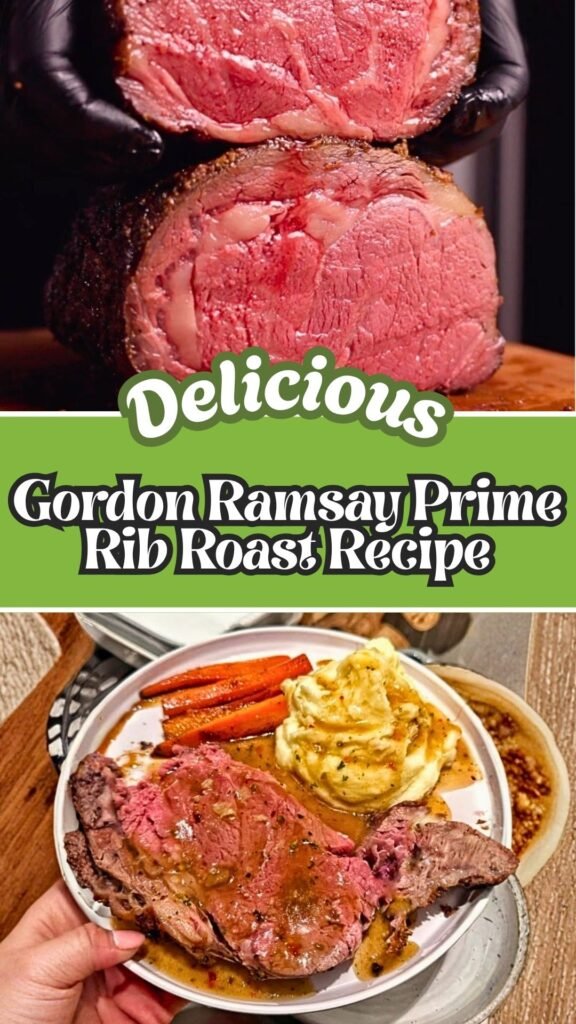
Carefully remove the roast from the oven and loosely tent it with aluminum foil. Let it rest for 45 minutes to 1 hour. This important step allows the juices to redistribute throughout the meat, ensuring maximum tenderness.
Step 5: Create the Crust
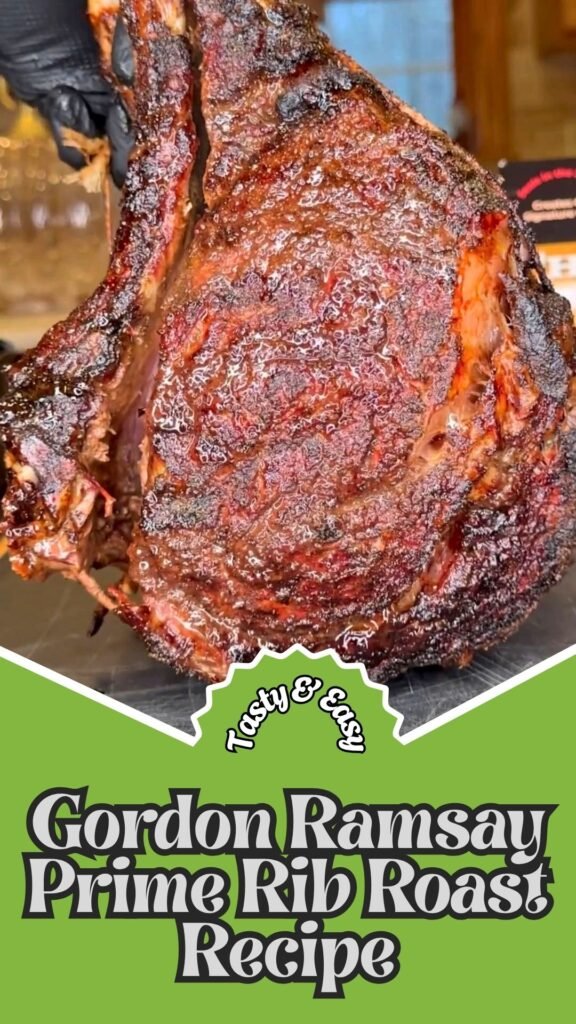
Increase the oven temperature to 500°F (260°C). Brush the rested roast with softened butter, coating the entire surface evenly.
Return the roast to the hot oven and roast for an additional 10 to 15 minutes until a deep golden-brown crust develops.
Step 6: Carve and Serve
Remove the roast from the oven. Since the meat has already rested, no additional resting time is necessary. Slice along the bones to separate them from the roast, then cut the meat into slices about ¾ to 1 inch thick.
Serve immediately with au jus, horseradish sauce, roasted vegetables, or your favorite side dishes.
Customization and Pairing Ideas for Gordon Ramsay Prime Rib Roast
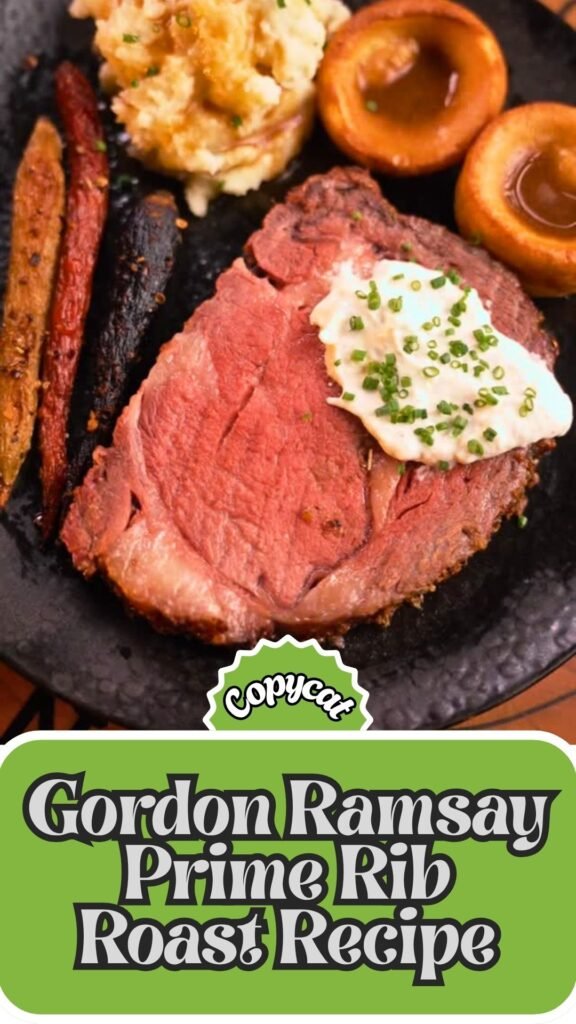
1. Serve with Creamy Horseradish Sauce
The sharp flavor of horseradish balances the richness of the prime rib and enhances every bite.
2. Pair with Garlic Mashed Potatoes
Creamy mashed potatoes make an excellent side dish that complements the juicy roast perfectly.
3. Add Roasted Root Vegetables
Carrots, parsnips, and sweet potatoes roasted alongside the meal create a colorful and flavorful plate.
4. Use Different Herb Blends
Try rosemary, thyme, sage, or a combination of fresh herbs for a unique flavor profile.
5. Create Prime Rib Sandwiches
Use leftover slices to make gourmet sandwiches with caramelized onions and melted cheese.
6. Serve with Red Wine Reduction
A rich red wine sauce adds elegance and depth that pairs beautifully with beef.
7. Make a Holiday Feast
Complete the meal with Yorkshire pudding, green beans, and a fresh salad for an unforgettable holiday dinner spread.
Tips for the Best Prime Rib Roast Recipe
1. Always Dry Brine the Roast
Dry brining improves flavor, tenderness, and crust formation. Whenever possible, let the roast rest uncovered for 24 hours.
2. Use a Reliable Meat Thermometer
Temperature accuracy is essential when cooking prime rib. Avoid guessing doneness.
3. Let the Meat Reach Room Temperature
Allowing the roast to sit out for 30 minutes before cooking helps it roast more evenly.
4. Cook Low and Slow
A lower oven temperature produces a more evenly cooked roast with less gray meat around the edges.
5. Don’t Skip the Resting Period
Resting keeps the juices inside the meat and prevents dryness when carving.
6. Finish with High Heat
The final high-temperature blast creates the signature steakhouse-style crust without overcooking the center.
7. Slice Against the Grain
Cutting against the grain results in more tender slices that are easier to chew and enjoy.
Storage and Reheating Guidance
Store leftover prime rib in an airtight container in the refrigerator for up to 4 days. For longer storage, freeze slices for up to 3 months. Reheat gently in a low-temperature oven with a splash of beef broth to help retain moisture and prevent the meat from drying out.
Gordon Ramsay Prime Rib Roast Recipe
Ingredients
Method
- Pat the prime rib roast dry with paper towels. Generously coat the entire surface with kosher salt and freshly ground black pepper. Place the roast on a rack set over a tray and refrigerate uncovered for at least 4 hours, preferably 24 hours. This dry-brining process enhances flavor and helps create a better crust during roasting.
- Remove the roast from the refrigerator about 30 minutes before cooking. Brush the outside with clarified butter or avocado oil. Evenly sprinkle the Herbes de Provence over the entire roast and gently press the herbs into the surface.
- Preheat your oven to 250°F (120°C). Place the roast bone-side down on a roasting rack inside a roasting pan. Insert a meat thermometer into the thickest part of the roast, avoiding contact with the bone.Roast until the internal temperature reaches 120°F (49°C) for rare to medium-rare doneness. A 7-pound roast usually requires 3 to 4 hours, but always rely on temperature rather than cooking time.
- Carefully remove the roast from the oven and loosely tent it with aluminum foil. Let it rest for 45 minutes to 1 hour. This important step allows the juices to redistribute throughout the meat, ensuring maximum tenderness.
- Increase the oven temperature to 500°F (260°C). Brush the rested roast with softened butter, coating the entire surface evenly.Return the roast to the hot oven and roast for an additional 10 to 15 minutes until a deep golden-brown crust develops.
- Remove the roast from the oven. Since the meat has already rested, no additional resting time is necessary. Slice along the bones to separate them from the roast, then cut the meat into slices about ¾ to 1 inch thick. Serve immediately with au jus, horseradish sauce, roasted vegetables, or your favorite side dishes.
Video
Notes
Frequently Asked Questions
When you give this Gordon Ramsay Prime Rib Roast Recipe a try, you might have a few questions. Don’t worry-we’ve rounded up answers to the most common ones to help you out.
1. What is the correct cooking temperature for this Gordon Ramsay prime rib roast recipe?
From our experience, roasting the prime rib at a low temperature of 250°F (120°C) produces the most evenly cooked results. This gentle cooking method keeps the meat tender and juicy. We then finish it at 500°F (260°C) for a short period to create that beautiful golden-brown crust.
2. What internal temperatures should I aim for?
We always recommend using a meat thermometer for accuracy. For rare to medium-rare prime rib, remove the roast when it reaches 120°F (49°C). After resting, the temperature continues to rise slightly due to carryover cooking. For medium, aim for around 130–135°F (54–57°C) before the final crusting step.
3. How long should I rest the prime rib?
In our kitchen, resting the roast for 45 minutes to 1 hour makes a noticeable difference. This allows the juices to redistribute throughout the meat, resulting in more flavorful and tender slices when carved.
4. Should I roast the meat fat-side up or bone-side down?
We prefer roasting the prime rib bone-side down. The bones act as a natural roasting rack and help protect the meat from direct heat. If your roast has a thick fat cap, keeping the fat side facing up allows the rendered fat to baste the meat during cooking.
5. What ingredients are used in the classic crust?
For this recipe, we use kosher salt, freshly ground black pepper, Herbes de Provence, clarified butter or avocado oil, and a final coating of softened butter before the high-heat finish. Together, these ingredients create a flavorful and beautifully browned crust.
6. Can I use a boneless prime rib roast?
Yes, we’ve successfully made this recipe with boneless prime rib as well. The cooking method remains the same, but boneless roasts may cook slightly faster. We recommend monitoring the internal temperature closely rather than relying on cooking time alone.
7. Why is dry brining important for prime rib?
Based on our experience, dry brining is one of the most important steps. The salt penetrates deep into the meat, enhancing flavor while helping the surface dry out. This creates a richer taste and a better crust after roasting.
8. How do I know when the prime rib is done?
The most reliable method is using an instant-read or probe thermometer. We never rely solely on cooking time because every roast varies slightly in size and shape. Temperature is the key to achieving your preferred doneness.
9. Can I prepare the prime rib a day ahead?
Absolutely. In fact, we often season the roast and leave it uncovered in the refrigerator overnight. This extended dry-brining period improves both flavor and texture, making the final roast even better.
10. What should I serve with prime rib roast?
Some of our favorite pairings include garlic mashed potatoes, Yorkshire pudding, roasted vegetables, horseradish sauce, au jus, and a crisp green salad. These sides complement the rich flavor of the beef without overpowering it.
This Gordon Ramsay prime rib roast recipe proves that exceptional results come from simple ingredients and proper technique. The combination of dry brining, slow roasting, and a high-heat finish creates a tender, juicy roast with a beautifully crisp crust.
We’d love to hear how this recipe turns out for you! Give it a try, then drop a comment below to share your thoughts and tips with us.
You can also follow us on Pinterest and YouTube for more delicious updates and kitchen inspiration. Your support and feedback truly mean a lot to us!